



Manufactured Home Loans
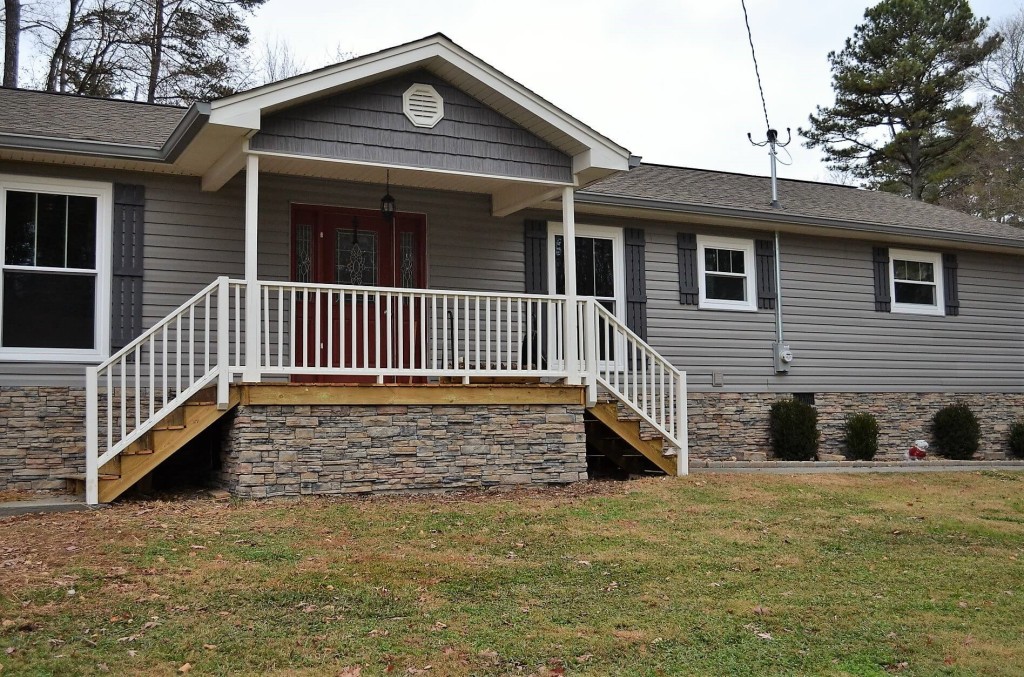
Getting a mortgage loan for a manufactured home is not hard. However, loans on manufactured homes are different and can involve several unique concerns and considerations compared to financing a traditional site-built home. Here are some of the key issues you might face:
- Loan Availability and Terms: Not all lenders offer mortgages for manufactured homes, and those that do may offer less favorable terms compared to traditional homes. This can include higher interest rates, shorter loan terms, and larger down payment requirements. Checking with a mortgage broker will give you a wider selection on mortgage and usually better terms.
- Property Classification: For a manufactured home to qualify for a traditional mortgage, it often needs to be classified as real property, which means it must be permanently affixed to the land that you own. If the home is considered personal property (also known as chattel), you might only qualify for a chattel loan, which typically comes with higher interest rates and shorter terms. Another consideration is if the home has been moved since it was purchased from the dealer and installed. This could render it not to qualify for many mortgages.
- Age and Condition: The age and condition of the manufactured home can significantly impact financing options. Homes built before a massive improvement in building standards was passed on June 15, 1976, might make your home ineligible for most mortgage loan programs. Lenders may have additional guidelines regarding additions or substantial changes made to the home and may require a detailed inspection to ensure it meets specific standards.
- Foundation Requirements: To qualify for certain types of mortgages, like an FHA loan, the manufactured home must be on a permanent foundation that meets specific engineering standards. This requirement ensures the home’s stability but can add to the cost if it is not already on an approved foundation. These foundation improvements can be done prior to the loan closing.
- Appraisal and Valuation Issues: Appraising a manufactured home can be more challenging than a traditional home, affecting loan approval and terms. Manufactured homes can depreciate differently than site-built homes, and finding comparable sales for appraisal purposes can be difficult, especially in areas with fewer manufactured homes. With the wider acceptance of manufactured homes and greater lending for these homes, this aspect has become less of a problem than in years past.
- Insurance and Taxes: Obtaining insurance for a manufactured home can be more expensive than for a traditional home, affecting your overall affordability and eligibility for a mortgage. How your home is classified (real vs. personal property) can also affect your property taxes. In addition to finding a good mortgage loan broker, check with your insurance agent as to what there cost to insure your prospective purchase will cost to insure.
- Resale Value and Depreciation: Manufactured homes, particularly those not permanently affixed to land, can depreciate more quickly than traditional homes. This depreciation can affect the long-term value of your investment and may influence lenders’ willingness to offer financing. Permanently affixed home-to-land can be a good investment. A manufactured home treated like a trailer takes on all the aspects of a trailer, and a manufactured home treated like a home takes on all the aspects of a traditionally built house.
Embarking on the journey of owning a manufactured home can be a promising and cost-effective route to homeownership for many individuals. To successfully navigate these unique challenges, it’s crucial to collaborate with a seasoned mortgage broker who specializes in manufactured home financing. Understanding the terms and conditions of your mortgage is equally important. Moreover, ensuring that your home meets all the necessary requirements for classification as real property can significantly enhance your financing options, paving the way for a brighter future.
